For the past year or two, something subtle has been happening online.
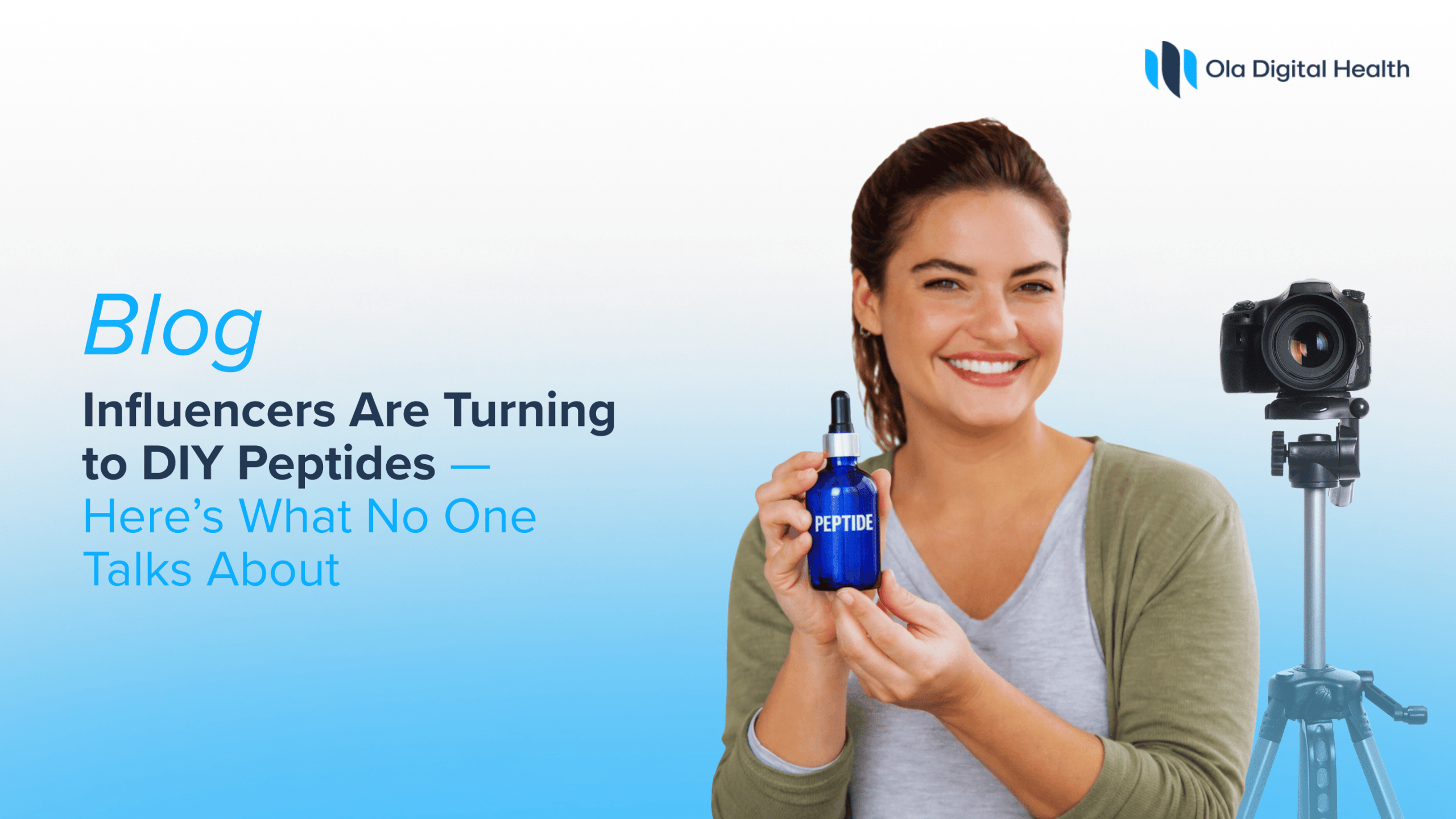
Peptides are no longer just part of medical conversations. They are showing up in influencer content.
Fitness creators, bio-hackers, and lifestyle influencers are talking about recovery, fat loss, better sleep, and “optimization.” Somewhere in between, peptides enter the conversation.
At first, it feels aspirational.
Someone you follow is trying something new. They look better. They feel better. They talk about results.
And slowly, curiosity turns into intent.
That’s when a different question starts to surface.
“Are peptide programs safe in 2026?”
Why Influencers Are Driving the DIY Peptide Trend
This shift is not random.
Influencers shape behavior.
When someone with credibility talks about results, audiences don’t just observe. They replicate.
And peptides sit perfectly in that space.
They promise:
- Faster recovery
- Better performance
- Visible transformation
- “Optimized” health
For many followers, it feels like access has been unlocked.
No waiting rooms. No long processes. Just information, sources, and protocols being shared online.
This is exactly where DIY begins.
And where peptide therapy safety starts to become a serious concern.
The Gap No One Talks About
Here is what often gets missed.
Content shows outcomes.
It rarely shows the process.
When influencers talk about peptides, you usually see:
- Before and after changes
- General experiences
- Surface-level protocols
What you do not see:
- The peptide therapy consultation process
- Lab testing
- Medical history review
- Ongoing monitoring
That missing layer is where risk begins.
Because peptides are not lifestyle products.
They interact with hormones, metabolism, and recovery systems in the body.
And without structure, things can go wrong quietly.
When Followers Turn Into Self-Experimenters
Most people trying DIY peptides are not being reckless.
They are responding to influence without full context.
But this creates patterns like:
- Starting without baseline testing
- Copying influencer protocols without personalization
- No understanding of how it interacts with existing conditions
- No clear dosing structure
- No follow-up or monitoring
The issue is not curiosity.
The issue is incomplete systems.
And that is exactly why conversations around peptide therapy safety are increasing.
What Supervised Peptide Therapy Actually Looks Like
Behind the scenes, structured care looks very different from what social media shows.
Supervised peptide therapy programs are built around clarity, not guesswork.
They include:
- A defined peptide therapy consultation process with a licensed provider
- Medical history and current medication review
- Lab testing before starting
- Personalized protocols based on actual data
- Continuous monitoring and adjustments
This is what most influencer content skips.
Not intentionally, but structurally.
Because real treatment does not fit into a 30-second reel.
Why Supervision Changes the Outcome
This is where the difference becomes undeniable.
When peptides are used under supervision:
- Risks are identified early
- Dosing adapts to how the body responds
- Side effects are managed immediately
- Decisions are data-driven, not assumption-based
This is the foundation of why supervised peptide therapy is safer.
It removes guesswork.
And replaces it with a system.
According to Industry Insight
According to Grand View Research, the global peptide therapeutics market continues to expand as clinical applications grow across healthcare.
This aligns with what we are seeing across the wellness space.
Peptides programs are becoming a retention tool for wellness businesses.
Not because of trends.
But because structured programs create continuity, safety, and long-term engagement.
Where Wellness Coaches and Fitness Trainers Fit In
This is where the ecosystem becomes important.
Influencers create awareness.
But wellness professionals create direction.
As demand grows, many professionals are exploring ways to integrate peptide education into their services while staying within ethical and legal boundaries.
Some are also looking into monetisation and structured growth opportunities through wellness-focused partnerships:
However, there is a boundary.
Wellness professionals do not prescribe.
Instead, they work alongside licensed providers.
This creates a safer model:
- The coach supports lifestyle and habits
- The provider manages the clinical aspect
Together, they bridge the gap between influence and responsibility.
Why Businesses Are Moving Away From DIY Models
Wellness businesses are paying attention.
Because demand is not the problem.
Unstructured demand is.
People will continue asking about peptides.
The real question is how that demand is handled.
This is why more businesses are building:
- Supervised peptide therapy programs
- Integrated telehealth systems
- Structured consultation and monitoring workflows
It allows them to serve the same audience influenced by trends,
Without exposing them to unnecessary risk.
The Real Risk Isn’t Peptides
This is the part that often gets misunderstood.
Peptides themselves are not the core issue.
The real risk lies in how they are used.
Without proper systems:
- Dosing becomes inconsistent
- Expectations become unrealistic
- Side effects go unreported
- Long-term outcomes remain unclear
That is where problems build.
Quietly.
And often too late.
What People Actually Want (Beyond Influence)
If you look beyond the trend, the intent is simple.
People want:
- Clear answers
- Safe options
- Reliable guidance
- Results they can trust
DIY feels fast.
But it often creates more confusion.
Structured care removes that friction.
The Smarter Direction Forward
Peptides are not going away.
Influencer conversations will continue.
Interest will grow.
But the shift is already happening.
From access → to accountability
From trends → to treatment systems
More people are choosing supervised peptide therapy programs not because they are harder,
But because they are safer.
Last Thoughts
Influencers may have accelerated the visibility of peptides.
But visibility is not the same as understanding.
DIY approaches often look simple on the surface, but they carry hidden complexity.
Without screening, monitoring, and guidance, small decisions can lead to bigger issues.
Structured, supervised systems bring clarity back into the picture.
And for anyone exploring peptide therapy, whether as a user, coach, or business.
That difference matters more than ever.
Set up a call with our specialists at Ola Digital Health to learn how structured, supervised peptide therapy programs can help you grow while maintaining patient safety at the top of the list.
FAQs
1: Is DIY peptide therapy safe without medical supervision?
Not really. Risks increase and outcomes become unpredictable without proper screening and monitoring.
2: Why are influencers talking about peptides more now in 2026?
Because peptides align with performance, recovery, and optimization—topics that are already popular in influencer content.
3: Can wellness coaches or fitness trainers offer peptide therapy programs?
They can support structured programs, but only licensed medical professionals can prescribe and oversee treatment.
4: What makes supervised programs different from DIY?
They follow a defined peptide therapy consultation process, include lab testing, and provide ongoing monitoring.
5: Why supervised peptide therapy is safer?
Because it removes guesswork, ensures proper dosing, manages risks early, and is guided by medical oversight.