Five years ago, most telehealth platforms focused on one thing.
Convenience.
Book an appointment.
Talk to a doctor.
Get a prescription if appropriate.
Done.
That worked for a while.
But patients have changed.
They are asking bigger questions now.
How do I stay healthy longer?
How do I recover better?
How do I build healthier habits instead of waiting until something goes wrong?
For digital health companies, that shift is creating new opportunities. Preventive wellness is becoming a larger part of virtual care, and many organizations are exploring how evidence-informed wellness services could fit into their Telehealth Business Model.
The conversation is no longer only about treating illness.
It is increasingly about supporting long-term health.
1. Patients are looking for preventive wellness, not just treatment
The average telehealth patient today arrives with far more information than they did a few years ago.
They have watched YouTube videos.
Read blogs.
Listened to podcasts.
Scrolled through social media.
Some of that information is useful.
Some of it is not.
According to McKinsey & Company’s 2025 Future of Wellness report, 84% of US consumers now consider wellness a top or important priority in their everyday lives, while 56% say they prioritize wellness more than they did a year ago.
That creates a clear opportunity for providers to offer reliable education instead of letting patients depend entirely on online trends.
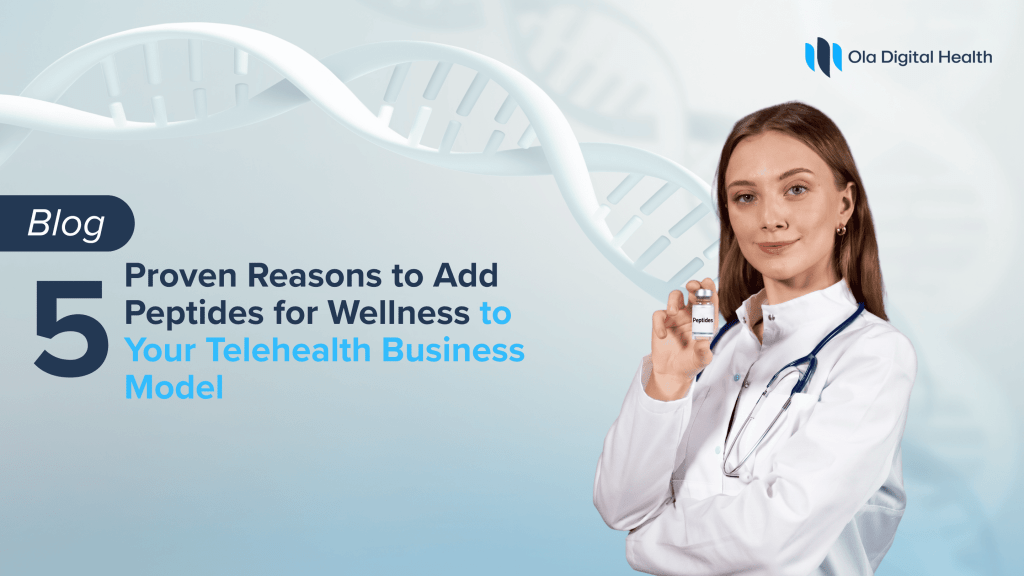
For many organizations, discussions around Peptides for Wellness are becoming part of that broader preventive health conversation.
2. Wellness services can strengthen patient relationships
Most healthcare interactions are still reactive.
Someone feels unwell.
They book an appointment.
The conversation ends after treatment.
Preventive wellness works differently.
Patients often want ongoing guidance, regular check-ins, and personalized support over time.
That creates opportunities for telehealth providers to build longer-term engagement instead of isolated visits.
For many digital health businesses, that continuity is becoming an important part of a modern Telehealth Business Model.
3. Patients increasingly expect personalized care
People do not want generic advice anymore.
Drink more water.
Sleep better.
Exercise more.
Those suggestions still matter, but patients also expect recommendations that reflect their own goals and lifestyle.
Someone focused on athletic recovery has different priorities than someone interested in metabolic health or healthy aging.
Technology makes personalization much easier through virtual consultations, digital follow-ups, wearable devices, and continuous communication.
That shift is changing expectations across healthcare.
4. Interest in peptides is creating new conversations
Search interest around peptides for fitness and wellness has grown alongside broader discussions around preventive health.
Patients are curious.
They ask questions.
They want to understand what is backed by evidence and what is simply marketing.
For providers, this creates an opportunity to educate rather than speculate.
The most trusted organizations will likely be the ones that explain evolving science honestly and help patients make informed decisions under appropriate medical guidance.
5. Telehealth is making wellness more accessible
Virtual care has removed many barriers that used to delay preventive healthcare.
People can schedule appointments from home.
They can follow up more regularly.
They can stay connected without traveling to a clinic every few weeks.
As a result, discussions around telemedicine peptide therapy and other wellness-focused services are becoming more common in digital health settings, always within appropriate clinical oversight and local regulations.
The bigger trend is accessibility.
Patients want healthcare that fits into everyday life instead of interrupting it.
What this means for digital health providers
Preventive wellness is no longer a niche category.
It is becoming part of mainstream healthcare conversations.
Patients expect education.
They expect personalization.
They expect ongoing support instead of one-time appointments.
Healthcare organizations that invest in evidence-based wellness programs and responsible patient education may be better positioned as these expectations continue to evolve.
Where things seem to be heading
Maybe the biggest opportunity isn’t adding another service.
Maybe it’s changing the way healthcare is delivered.
Patients want relationships instead of transactions.
They want guidance before problems appear…and not just treatment after they do.
That shift is kind of creating space for more personalized digital care models built around education, prevention, and long-term engagement.
For telehealth providers, that conversation is only getting started.
Schedule a call with our experts at Ola Digital Health to explore how your organization can build thoughtful, evidence-informed digital wellness programs that strengthen patient engagement and support the future of preventive virtual care.
FAQs
Why are so many telehealth companies talking about wellness now?
Because that’s what patients are asking about… People don’t just want treatment anymore, they want help staying healthy before problems show up.
Are peptides for wellness becoming more common in virtual care?
They’re definitely becoming a bigger part of the conversation. As interest in preventive health grows, more providers are exploring where they fit within medically guided wellness programs.
Why are people suddenly interested in peptides for fitness and wellness??
A lot of it comes down to recovery, healthy aging, and feeling better day to day. People are simply becoming more proactive about their health than they used to be.
Can telemedicine peptide therapy replace healthy habits?
Honestly, no. Good sleep, movement, nutrition, and stress management still do most of the heavy lifting. Wellness programs work best when those basics are already in place.
What does a successful Telehealth Business Model look like today?
Probably one that stays connected with patients… instead of only seeing them when they’re sick! Education, prevention, and personalized support are becoming just as important as treatment itself.