If you spend enough time around gyms, exercise groups, or even just folks who want to get stronger or lose weight, one thing quickly becomes clear.
Most who are having a hard time aren’t doing it because they’re lazy.
They are having a hard time because things are moving slowly.
You work hard to train. You eat well. You keep doing the same thing. And still, it seems like recuperation is taking a long time. Strength levels off. Dips in energy. It affects motivation.
That’s usually where people start to look into things that go beyond basic fitness and diet. Not quick fixes, but support systems that really help the body work better.
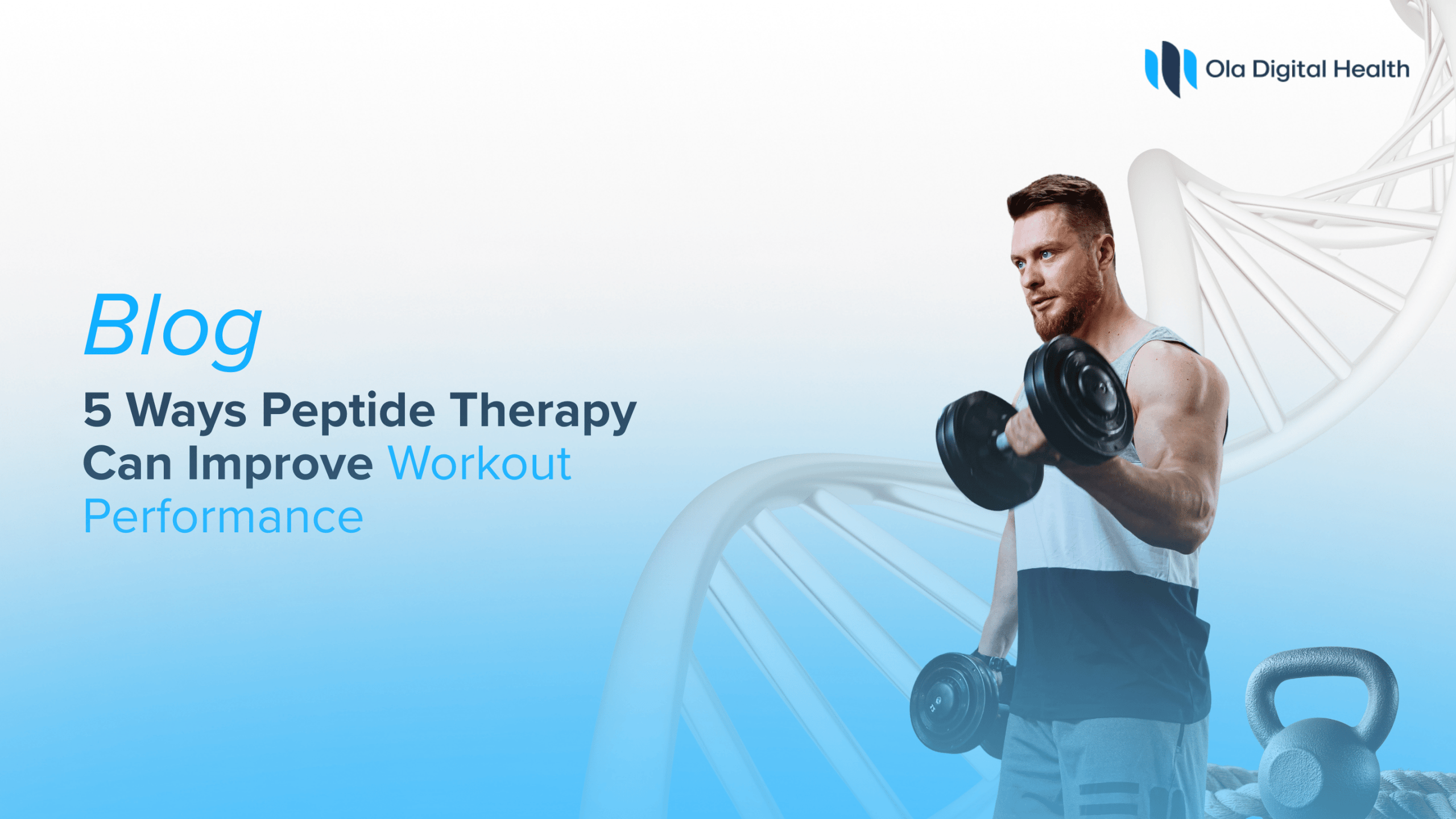
This is where people have started talking more about peptide treatment for better workout performance.
Not in a way that gets people excited, but in a more useful way. People want to discover what really helps them get better, do better, and stay consistent for longer.
Let’s break things down in a way that makes sense.
Why Training Harder Isn’t the Only Thing That Matters
Many people believe that simply pushing harder in the gym will make them perform better.
In reality, your performance gets better when your body can:
- get better appropriately
- get used to training
- keep your energy levels up
- help muscles heal
If rehab isn’t going well, everything else starts to fall apart.
That’s why many seek out peptides to help their muscles heal and work better. Not because they want to take a shortcut, but because they want their hard work to pay off.
Research from the National Institutes of Health is looking into peptide-based therapeutics to see if they might help with tissue repair and metabolic processes, which are both important for recovery and performance.
So the curiosity isn’t random. It comes from how the body really works.
1. Faster recovery time between workouts
People usually notice this first.
After a tough workout, your body starts to heal faster instead of being sore for days.
It’s not simply about being comfortable throughout recovery. It has a direct impact on how often you can train and how well you do in your next session.
This is what people mean when they talk about peptides for building muscle and recovering from workouts.
Better healing means:
- less time off between workouts
- better consistency
- lowered chance of over training
And to be honest, most outcomes come from being consistent.
2. Helps muscles heal and grow better
Your muscles don’t expand when you work out.
It happens later.
When you work out, you put a little bit of tension on the muscles each time. The body fixes the tension and gets stronger. That’s where real progress happens.
This is why people look into peptides to help their muscles grow and heal. The idea is to help the body heal throughout that time.
As recovery gets better, muscle adaptation works better.
That can lead to:
- better gains in strength
- better definition of muscles
- more steady progress with no long plateaus
It doesn’t happen right away. It’s just more regular.
3. More consistent training
Most people don’t quit because they don’t want to.
They resign because they are tired or feel stuck.
If your body is always tired, even easy workouts might start to feel heavy. That changes how often you come.
One of the less well-known benefits of peptide treatment for improving workout performance is that it helps you stay consistent.
When your recovery and energy levels rise, training becomes easier again.
You are more likely to:
- stay with your routine
- train several times a week without getting tired
- keep up discipline over time
That’s where actual effects start to happen.
4. Help with energy and endurance levels
Lifting greater weights is not the only thing that matters for performance.
It’s also about how long you can keep working hard.
Some people find that their endurance gets better when their body is healing and working properly.
This goes back to how the body handles stress, energy, and metabolism as a whole.
This is often part of the response when people ask how peptide treatment helps athletes do better.
It’s not simply about being strong. It’s about:
- staying focused during workouts
- not feeling as tired after sessions
- keeping your focus better during training
That mix makes a big difference over time.
5. Help with long-term performance
People make the biggest mistake when they only think about the short term.
They want results right away.
But serious growth in fitness takes time.
The goal isn’t merely to do well for a few weeks. The idea is to stay steady for months and years without falling apart.
This is where structured programs come in.
A peptide therapy program for fitness trainers or a peptide therapy program for wellness coaches usually focuses on long-term support rather than rapid cures.
That includes:
- a complete appraisal before commencing
- constant checking
- changes depends on how things are going
If done right, the focus isn’t just on how well you do today. It is about keeping up performance throughout time.
FAQ: How does peptide therapy help athletes perform better?
This is a question that a lot of people ask.
So let’s give a simple solution.
Peptide therapy helps athletes perform better by boosting the body’s natural functions.
That means:
- quicker healing
- improved muscle recovery
- better consistency in training
- more steady levels of energy
It’s not about taking the place of hard effort. It’s about making the body operate better with the job you already do.
Why More Coaches Are Taking Notice
If you look attentively, you’ll see that more coaches and trainers are starting to look into this area.
Not because they want to follow trends, but because their customers are asking better questions.
Today, clients want:
- improved healing
- better help with training
- results throughout time
This is why structured programs like peptide therapy for health coaches or fitness trainers are becoming more common.
It lets coaches offer more without going beyond what they are supposed to do.
The Big Picture
In the end, performance isn’t just about working harder.
It’s about helping your body so it can really do that work.
All of these things, training, nutrition, recovery, and support systems, work together.
Peptides are only one aspect of that larger picture.
They can be a part of a more organized way to improve performance and recover if they are used correctly and with the right advice.
Last Thoughts
If you workout regularly but still feel like you’re not making as much progress as you should be, it could not be because you’re not working hard enough.
It could be about better supporting your body.
That’s why more and more people are talking about peptide treatment for better workout performance. People want to find strategies to speed up their recovery, stay consistent, and get more out of the work they are already doing.
This area is worth learning about if you are a coach, trainer, or wellness professional who wants to learn how to make structured performance and recovery programs.
Platforms like Ola Digital Health make it easier to add clinically validated programs to what you already offer.
Set up a call with one of our experts to find out how to create programs that are both scalable and compliant and that help both performance and long-term client results.
FAQs
1. What is peptide therapy for workout performance?
Peptide therapy supports recovery and muscle function, helping improve overall workout performance.
2. Do peptides help with muscle recovery and performance?
Yes, they may help the body repair muscles faster and improve consistency in training.
3. How peptide therapy improves athletic performance?
It works by enhancing recovery, energy levels, and muscle repair processes.
4. Are peptides useful for muscle growth and recovery?
They support the natural repair cycle, which can lead to better muscle growth over time.
5. Who should consider peptide therapy programs?
Fitness trainers and wellness coaches often explore these programs to support client performance and recovery.